Time-of-Use Pricing Is Here: How to Stop Leaving Money on the Table
For decades, the residential electricity bill operated on a simple premise: consume power, pay a flat rate, repeat. That model is changing—faster than most Americans realize. Across the country, utilities are introducing programs that charge different rates depending on when you use electricity, not merely how much you use. Understanding these programs is no longer optional for the financially savvy homeowner. It is becoming essential.
What Dynamic Pricing Actually Means
Dynamic pricing is an umbrella term covering several utility rate structures that fluctuate based on demand conditions. The most common variant available to residential customers today is time-of-use (TOU) pricing, which divides the day into defined windows—typically peak, off-peak, and sometimes mid-peak—each carrying a distinct rate per kilowatt-hour.
A second, more sophisticated model is real-time pricing (RTP), where rates shift hour by hour in response to wholesale electricity market conditions. RTP is currently more prevalent in commercial and industrial settings, but states including Illinois, New York, and California have expanded pilot programs to residential customers in recent years.
The underlying logic is straightforward: electricity is expensive to produce and deliver when everyone wants it simultaneously. By pricing peak hours at a premium and off-peak hours at a discount, utilities incentivize customers to spread demand more evenly across the day—reducing strain on the grid and, in theory, lowering costs for everyone.
Who Benefits Most—and Who Should Think Twice
Not every household stands to gain equally from a TOU plan, and it is worth being honest about that. The customers who tend to see the greatest savings share a few common characteristics.
Flexible schedules are the single biggest advantage. If someone in your household is home during the day and can run the dishwasher at 10 a.m. rather than 7 p.m., or if you can shift laundry to weekends when many utilities offer reduced weekend rates, the savings accumulate quickly.
High energy consumers have more dollars at stake with every rate differential. A household running central air conditioning, an electric water heater, and an electric vehicle charger simultaneously during peak hours is paying a significant premium under TOU pricing—but that same household, if it shifts those loads strategically, can realize savings that dwarf what a low-consumption apartment dweller might achieve.
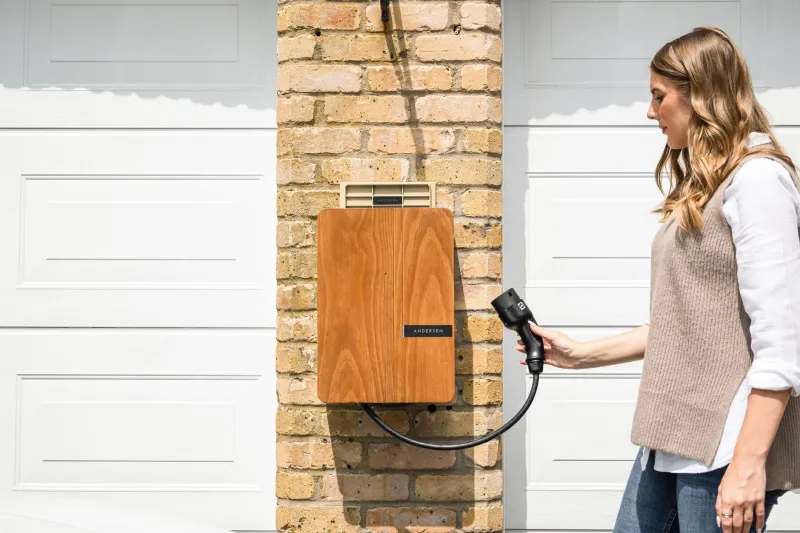
Smart home technology owners are positioned to automate the entire process. Smart thermostats, connected appliances, and programmable EV chargers can respond to pricing schedules without requiring any manual intervention.
Conversely, households where consumption patterns are rigid—due to work schedules, medical equipment requirements, or the presence of young children—may find that a standard flat-rate plan remains the better fit. The honest answer is that dynamic pricing requires some degree of behavioral flexibility to deliver its full benefit.
Mapping the Peak Hours in Your Region
Peak windows vary considerably by utility and geography. In the Southwest, where summer cooling loads are extreme, peak pricing often runs from 3 p.m. to 8 p.m. on weekdays. In the Northeast, peak periods can shift seasonally, with winter morning hours carrying elevated rates due to heating demand. Pacific Coast utilities frequently designate a 4 p.m. to 9 p.m. evening window as peak.
Before enrolling in any dynamic pricing program, request a rate schedule from your utility and map your household's typical consumption against those windows. Many utility websites now offer online rate comparison tools that allow you to upload your usage history and model projected costs under different rate structures. If yours does not, customer service representatives are generally required to walk you through the comparison upon request.
Practical Strategies for Shifting Your Load
Once enrolled, the goal is straightforward: move energy-intensive activities outside of peak windows. The following adjustments tend to deliver the most measurable impact.
Pre-cool or pre-heat your home. Set your thermostat to reach your desired temperature before peak hours begin, then allow it to drift slightly during the expensive window. A well-insulated home can coast on stored thermal energy for one to two hours with minimal comfort impact.
Schedule major appliances overnight. Most modern dishwashers, washing machines, and dryers include delay-start features. Overnight hours—typically midnight to 6 a.m.—carry the lowest rates under most TOU structures. Running these appliances before you wake up costs substantially less than running them after dinner.
Reprogram your water heater. Electric water heaters are among the most energy-intensive appliances in a typical home. A programmable timer, available at most hardware stores for under fifty dollars, can restrict heating cycles to off-peak windows while maintaining adequate hot water supply throughout the day.
Leverage smart home integrations. Platforms such as Google Home, Amazon Alexa, and Apple HomeKit can be configured with routines tied to time-of-day triggers. Some utilities are also beginning to offer direct integrations with smart thermostats—meaning your thermostat can receive pricing signals directly and adjust automatically.
Enrolling: What to Expect
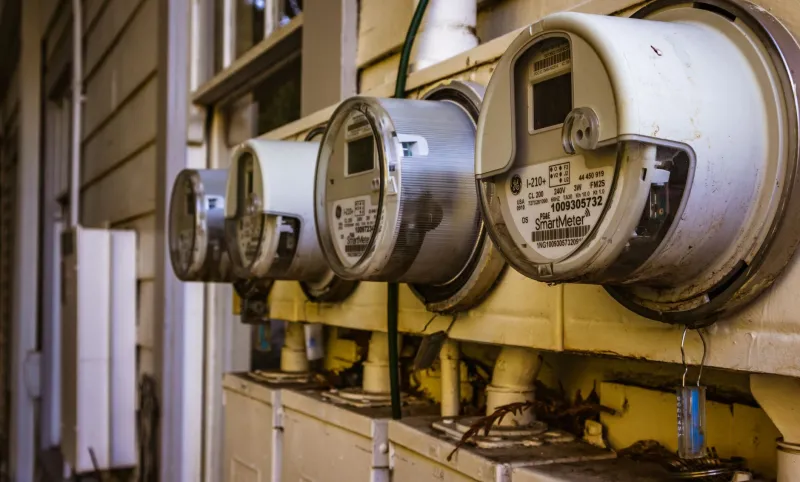
Most utilities require a simple online or phone enrollment to switch rate structures. In some states, TOU plans have become the default for new customers or for households that have received a smart meter upgrade—so it is worth confirming which plan you are currently on rather than assuming.
Once enrolled, monitor your first two or three billing cycles carefully. Compare your actual bill against what you would have paid under your previous flat rate. Most utilities provide this comparison on your statement. If your consumption patterns have not shifted meaningfully, the new plan may not be working in your favor, and switching back is typically permitted.
Dynamic pricing represents one of the most accessible tools available to American households seeking to reduce energy expenditure without sacrificing comfort. The grid is becoming more sophisticated by the year. The homeowners who take the time to understand these programs—and act on them—will be the ones who benefit most as that evolution continues.