Charging an EV at Home: The Economics Most Owners Never Calculate
The number of electric vehicles on American roads crossed the three-million mark in recent years and continues to climb. Showrooms are full of compelling options, federal tax credits have made purchase prices more accessible, and the argument for lower fuel costs seems intuitive. Yet a quieter conversation is happening beneath the surface of the EV boom—one centered not on the vehicle itself, but on the infrastructure behind it. Specifically: how you charge at home determines a significant portion of whether an EV genuinely delivers on its financial promise.
Level 1 vs. Level 2: More Than a Speed Difference
Every EV owner has access to Level 1 charging by default. This method uses a standard 120-volt household outlet—the same type that powers a lamp or a phone charger—and typically delivers between three and five miles of range per hour of charging. For a driver commuting thirty miles daily, a full overnight charge is often sufficient. The equipment cost is essentially zero, since the charging cable ships with the vehicle.
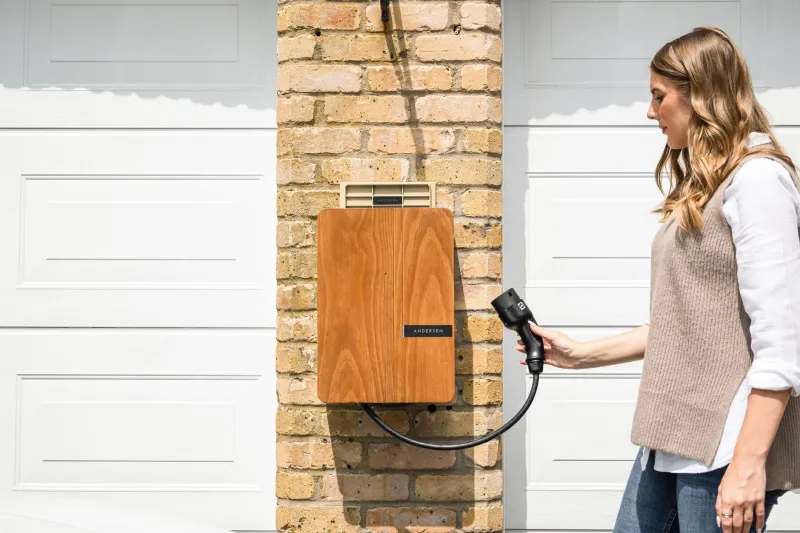
Level 2 charging operates on a 240-volt circuit, the same voltage used by electric dryers and ranges. A dedicated Level 2 home charging station—commonly called an EVSE, or Electric Vehicle Supply Equipment—can deliver twenty to thirty miles of range per hour, fully replenishing most EV batteries in four to eight hours. Equipment costs range from approximately $200 for a basic unit to $800 or more for a smart charger with scheduling capabilities, plus installation costs that typically run between $200 and $1,000 depending on your home's electrical panel and the distance from panel to garage.
The speed difference matters for convenience. But the economic difference runs deeper.
Why the Charger You Choose Affects Your Electricity Bill
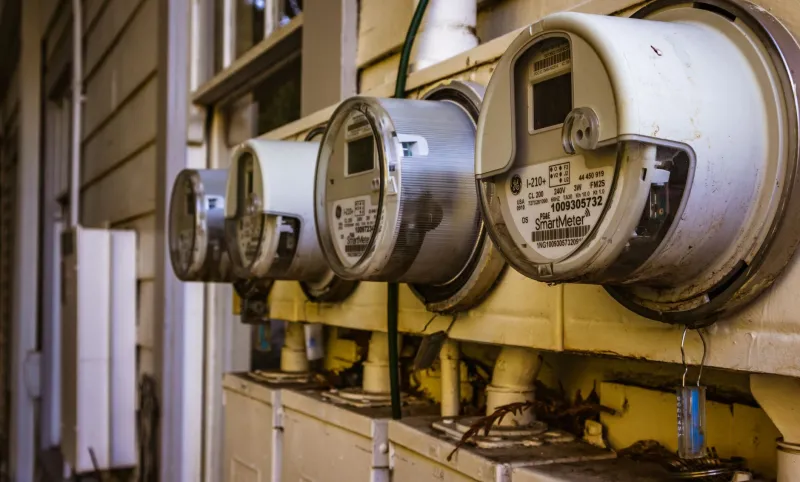
Level 1 charging is uncontrolled by default. Plug in when you arrive home—say, at 6 p.m.—and your vehicle begins drawing power immediately, which in most US markets places that consumption squarely in peak-rate territory. Over a year, a driver who charges exclusively during evening peak hours can pay meaningfully more per mile than one who charges during off-peak windows.
Level 2 smart chargers change this equation. These devices connect to your home Wi-Fi network and allow you to schedule charging sessions around your utility's rate structure. If your utility offers a time-of-use plan with overnight off-peak rates—a structure now available from dozens of major US utilities including Pacific Gas & Electric, Duke Energy, and Consumers Energy—a smart charger can be programmed to begin charging automatically at midnight and finish before morning rates rise. The per-kilowatt-hour savings can be substantial: some utilities price overnight rates at half or less of their peak equivalent.
For a vehicle consuming roughly 30 kWh per 100 miles, the difference between peak and off-peak charging rates can translate to several hundred dollars annually for an average-mileage driver. Over a five-year ownership period, that gap is meaningful.
Utility Rebates: A Benefit Most EV Owners Miss Entirely
Here is where the financial picture becomes particularly compelling—and where most owners leave money uncollected. A substantial number of US utilities currently offer rebates specifically for residential EV charging equipment, yet awareness of these programs among EV buyers remains remarkably low.
The structure of these incentives varies. Some utilities offer direct rebates on the purchase of a qualifying Level 2 EVSE—amounts ranging from $50 to $500 are common, with certain programs covering up to the full cost of the equipment. Others provide bill credits for EV owners who enroll in managed charging programs, in which the utility retains the ability to briefly interrupt or delay charging during grid stress events in exchange for ongoing monthly credits.
Additional incentives exist at the state level. California's SMUD and SCE offer tiered EV charging rates. New York's Con Edison provides both equipment rebates and dedicated EV rate plans. Austin Energy in Texas has historically offered some of the most aggressive managed charging incentives in the country. The Database of State Incentives for Renewables & Efficiency (DSIRE), maintained at dsireusa.org, is the most comprehensive public resource for identifying what is available in your specific zip code.
Beyond utility programs, the federal government's 30C tax credit covers thirty percent of the cost of home EV charging equipment installation, subject to income and property requirements. Many homeowners do not claim this credit simply because they were unaware it existed.
The Grid Dimension: Why Your Charging Habits Extend Beyond Your Wallet
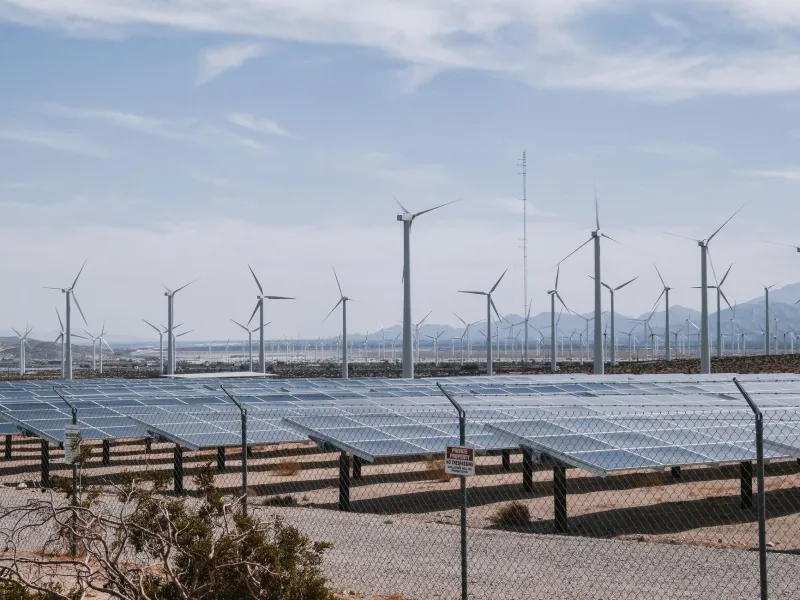
The choices individual EV owners make about when and how they charge aggregate into something much larger. If the majority of EV drivers in a given region plug in simultaneously at 6 p.m. after arriving home from work, the resulting demand spike places genuine strain on distribution infrastructure. Utilities that are investing in grid modernization are actively seeking to avoid this scenario—which is precisely why managed charging programs and off-peak incentives exist.
Smart charging, in this context, is not merely a personal financial optimization. It is a form of grid participation. An EV owner who shifts consumption to overnight hours is, in a modest but real sense, contributing to a more balanced and resilient electricity system. As vehicle-to-grid (V2G) technology matures—allowing EVs to discharge stored energy back to the grid during peak periods—this participation will become even more direct and potentially more lucrative for homeowners.
A Practical Starting Point
For any EV owner evaluating their home charging setup, the recommended sequence is straightforward. First, contact your utility to determine whether a time-of-use or EV-specific rate plan is available, and request a comparison against your current rate. Second, research available equipment and installation rebates before purchasing a Level 2 charger. Third, if you opt for a smart charger, configure the scheduling feature to align with your utility's lowest-rate window from day one.
The vehicle in your driveway may already be delivering on its environmental promise. Whether it delivers on its financial one depends, in large part, on what happens in your garage after you park it.