The Bottleneck Behind Your Breaker Box: How an Outdated Electrical Panel Is Quietly Costing You Thousands
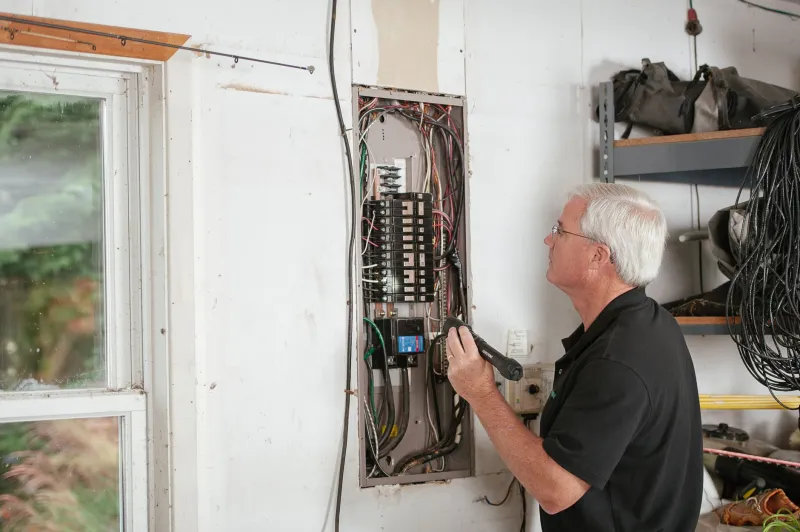
There is a gray metal box mounted somewhere in your home—a basement wall, a utility closet, perhaps the side of a garage—that most homeowners never think about until something goes wrong. The electrical panel, or load center, is the central nervous system of your home's power supply. It receives electricity from the utility grid, distributes it across circuits, and theoretically protects your home from overloads and faults. In practice, however, millions of American homes are running on panels that were designed for a world that no longer exists.
The average American home built before 1990 was wired for a lifestyle that included a refrigerator, a few televisions, some lighting, and perhaps a central air conditioner. Today, that same home might be asked to simultaneously power an electric vehicle charger, a heat pump system, a battery storage unit, a smart appliance network, and a rooftop solar array. The math does not add up—and the consequences are more expensive than most homeowners realize.
What Your Panel Was Actually Designed to Handle
Residential electrical panels are rated in amperes, and for decades, 100-amp service was considered entirely sufficient for a standard household. Many homes built in the mid-twentieth century were even wired for 60-amp service. Today, energy professionals and electricians broadly recommend a minimum of 200-amp service for homes seeking to integrate modern energy technologies—and some forward-looking installations are moving toward 400-amp configurations.
The distinction matters enormously in practice. A Level 2 home EV charger operating at full capacity can draw 48 amps on its own. A whole-home heat pump system may demand another 30 to 50 amps during peak heating or cooling cycles. Add in a washer, dryer, electric range, and the ambient draw of a connected home, and a 100-amp panel is not just strained—it is functionally obsolete.
When a panel cannot accommodate the load being placed on it, the consequences range from nuisance to hazard. Breakers trip repeatedly, forcing homeowners into manual resets that mask a deeper structural problem. Voltage sags across circuits, reducing the efficiency of motors and compressors throughout the home. In older panels—particularly those manufactured by companies whose products have since been flagged for safety concerns—the risk of arc faults and electrical fires becomes a genuine liability.
The Technologies Your Panel Is Blocking
Here is where the financial stakes become concrete. Homeowners across the country are increasingly drawn to electrification upgrades: heat pumps, EV chargers, induction ranges, heat pump water heaters. Federal incentives under the Inflation Reduction Act have made many of these technologies more accessible than ever. But the fine print that rarely appears in promotional materials is this: many of these upgrades require electrical infrastructure that a significant portion of American homes simply do not have.
Consider the EV charger scenario. A homeowner purchases an electric vehicle and arranges for a Level 2 charger installation. The electrician arrives, evaluates the panel, and delivers an unwelcome assessment: the existing service cannot support the charger without risking chronic overloads. The homeowner now faces a choice—install a slower, less capable charger that works within existing constraints, or invest in a panel upgrade before the primary installation can proceed. The charger purchase that seemed straightforward has suddenly become a multi-thousand-dollar infrastructure project.
Heat pump performance presents a parallel challenge. These systems are among the most energy-efficient heating and cooling technologies available, but their efficiency ratings are predicated on stable, adequate voltage supply. When a panel delivers inconsistent power—due to age, corrosion, or overloading—the heat pump's compressor works harder than it should, efficiency ratings fall short of their advertised benchmarks, and the equipment experiences accelerated wear. Homeowners who invested in a heat pump for its efficiency gains may find those gains partially eroded by infrastructure they never thought to examine.
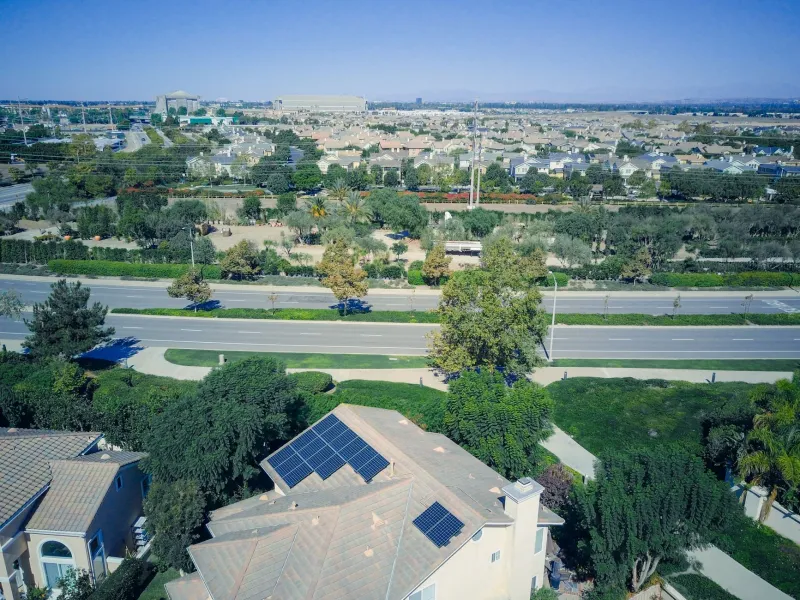
Rooftop solar and battery storage systems carry similar requirements. Inverters and battery management systems are sensitive to power quality and panel capacity. An undersized or deteriorating panel can limit the size of the solar array that can be safely interconnected, restrict battery discharge rates, and complicate the permitting process with local utilities.
Why No One Is Telling You About This
It would be reasonable to expect that utilities, contractors, or even appliance retailers would flag panel limitations as a routine part of any electrification conversation. In practice, this rarely happens systematically. Utilities operate at the service entrance—the point where power enters your home—and generally do not assess the internal distribution infrastructure unless a specific fault or upgrade request prompts them to do so. Appliance retailers sell products, not electrical assessments. Contractors, unless they are licensed electricians, may lack both the authority and the incentive to raise the issue.
The result is a significant information gap. Homeowners make purchasing decisions about EV chargers, heat pumps, and solar systems without a clear picture of what their existing infrastructure can support. Discoveries about panel limitations tend to arrive at the worst possible moment—mid-installation, when the cost of addressing the problem is compounded by project delays and contractor scheduling constraints.
A proactive electrical assessment, conducted before any major electrification project begins, can eliminate this problem entirely. Many licensed electricians offer load calculations as a standalone service, evaluating your existing panel capacity against your planned additions and identifying whether an upgrade is necessary, advisable, or simply prudent given the trajectory of home electrification.
What a Panel Upgrade Actually Costs—and What It Returns
The cost of upgrading from 100-amp to 200-amp electrical service in the United States typically ranges from $1,500 to $4,000, depending on local labor rates, the complexity of the existing installation, and whether the utility must also upgrade the service entrance cable or meter base. In some cases, particularly in older homes where wiring throughout the house is also outdated, the total project cost can climb higher.
These figures sound significant in isolation. Measured against the alternatives, they look considerably more reasonable. A panel upgrade completed before an EV charger installation avoids the emergency markup that comes with mid-project scope changes. It removes the ceiling on charger capacity, allowing for faster charging speeds that translate to genuine daily convenience. It creates the headroom necessary to add a heat pump, a battery storage system, or additional solar capacity without returning to the infrastructure question again in two or three years.
Perhaps most importantly, a modern panel with current-generation breaker technology—including arc-fault circuit interrupters and ground-fault protection—meaningfully reduces the risk of electrical fires and equipment damage. Insurance carriers in some markets are beginning to reflect this distinction in their premium structures, particularly for homes with older panel models that carry documented safety histories.
Making the Upgrade a Strategic Decision
At Pipps Energy, we view the electrical panel not as a mundane utility component but as the foundation on which every future energy decision in your home rests. The shift toward electrified transportation, efficient climate control, and distributed energy generation is not a distant prospect—it is already reshaping American homes at a pace that infrastructure investment must match.
If your home is running on service from a prior era, the question is not whether a panel upgrade will eventually become necessary. The question is whether you address it strategically—on your timeline, at a planned cost, as part of a coherent electrification roadmap—or reactively, under pressure, at a premium.
A conversation with a licensed electrician about your current load capacity and future energy plans costs very little. The insight it provides may prove to be among the most valuable energy investments you make.