When the Thermometer Climbs, the Grid Buckles: The Quiet Danger of Extreme Heat
Every summer, as temperatures climb past triple digits across large swaths of the United States, millions of Americans reach for their thermostats almost simultaneously. Air conditioners roar to life. Refrigerators work harder. Fans spin in rooms that are rarely used. The collective effect of that synchronized demand is felt not just on individual utility bills, but deep within the infrastructure that delivers power across entire regions.
Winter storms—ice-coated transmission lines, frozen natural gas supply chains, burst pipes at generating facilities—tend to capture the public's attention when they cause outages. The catastrophic Texas freeze of February 2021 became a national story precisely because it was dramatic and visible. But heat, by contrast, operates as a slower, quieter adversary. Its damage accumulates in ways that are harder to photograph and easier to dismiss—until the lights go out on a Tuesday afternoon in Phoenix or Sacramento, and suddenly the vulnerability is impossible to ignore.
How Heat Undermines the Physics of Power Delivery
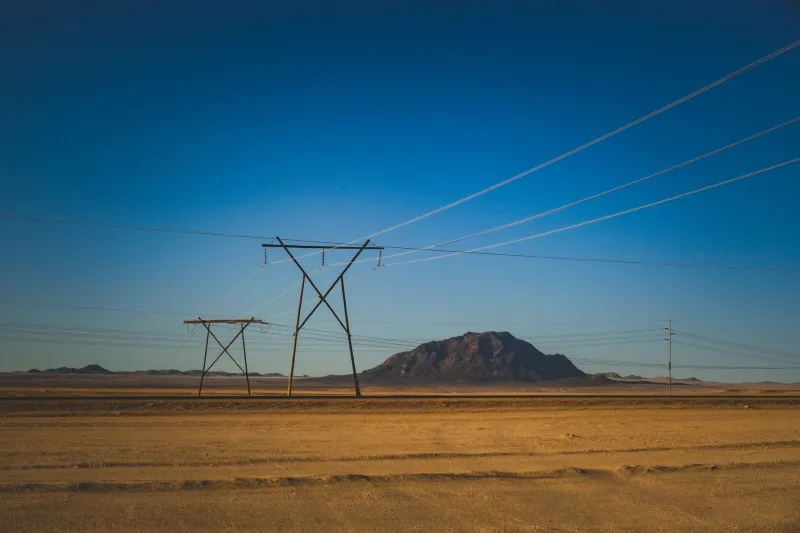
The relationship between temperature and electrical infrastructure is more direct than most people realize. Transmission lines—the high-voltage cables that carry electricity across hundreds of miles—are subject to a phenomenon known as thermal derating. When ambient temperatures rise, these conductors can no longer carry as much electricity without overheating and sagging dangerously close to the ground or nearby vegetation. In practical terms, a transmission corridor that operates at full capacity on a mild spring day may be limited to 80 or 85 percent of that capacity during a heat wave. The grid's delivery network effectively shrinks precisely when demand is at its peak.
Transformer stations face analogous pressures. These critical pieces of equipment rely on surrounding air to help dissipate the heat they generate during normal operation. When that surrounding air is already superheated, the cooling process becomes less efficient, and transformers are forced to operate closer to their thermal limits. Sustained operation in those conditions accelerates aging, increases the probability of failure, and shortens the equipment's useful life—costs that eventually find their way into rate structures that customers pay for years afterward.
Generating plants are not immune either. Thermoelectric facilities—whether powered by natural gas, coal, or nuclear fuel—use water to cool their systems. During prolonged heat events, water temperatures in rivers and reservoirs rise, reducing the efficiency of that cooling process. Some plants have been forced to curtail output or shut down entirely when intake water temperatures exceeded regulatory thresholds designed to protect aquatic ecosystems. The result is reduced generating capacity at exactly the moment when demand is highest.
The Demand Surge That Utilities Dread
Grid operators routinely model worst-case demand scenarios, but the synchronization problem that accompanies extreme heat remains one of their most difficult challenges. On a hot summer afternoon—typically between 3:00 p.m. and 8:00 p.m.—residential, commercial, and industrial cooling loads all peak at roughly the same time. Unlike winter heating, which is spread across more hours of the day and involves a broader mix of fuel sources (including gas furnaces that place no burden on the electrical grid), summer cooling demand is almost entirely electrical and highly concentrated.
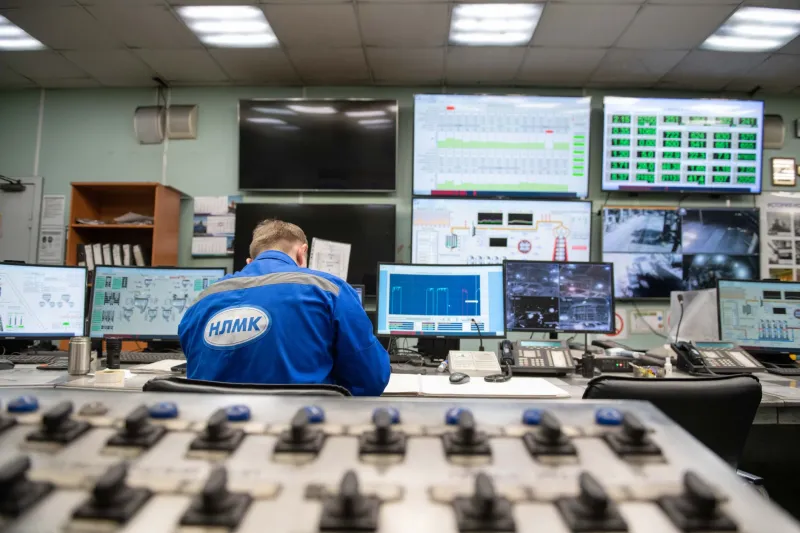
This creates what grid operators call a demand spike: a steep, rapid increase in electricity consumption that must be met in real time. When that spike coincides with reduced transmission capacity and constrained generation output—both consequences of the same heat event driving the spike—utilities find themselves with very little margin. Reserve capacity, the buffer that operators maintain above expected peak demand, can evaporate within hours. When reserves drop below a critical threshold, operators may issue conservation appeals, implement rolling blackouts, or purchase emergency power from neighboring grids at premium prices.
Those emergency purchases, it should be noted, are rarely cheap. The cost of procuring power on short notice during a regional heat event can be orders of magnitude higher than normal wholesale electricity prices. Those costs are not absorbed quietly—they eventually flow through rate cases and fuel adjustment clauses back to the customers who were running their air conditioners in the first place.
The Geographic Concentration of Risk
Not all parts of the country face equal exposure. The Southwest—Arizona, Nevada, California's inland valleys—bears the most acute risk, with summer temperatures that regularly exceed 110 degrees Fahrenheit and cooling systems that run continuously for months rather than days. The Southeast presents a different but equally serious profile: high humidity compounds the physiological stress of heat, driving air conditioner usage that persists well into the evening hours rather than tapering off as temperatures moderate.
The Pacific Northwest, historically insulated by a mild maritime climate, has emerged as a newly vulnerable region. The heat dome event of June and July 2021, which pushed temperatures in Portland, Oregon, past 116 degrees, exposed infrastructure that had never been designed with extreme heat in mind. Substations failed. Streetcar cables buckled. Demand for cooling equipment outstripped supply at hardware stores across the region. The event was a stark reminder that climate-driven heat stress is not confined to traditionally hot climates.
What Households Can Do—And Why It Matters
Individual actions during heat waves may feel insignificant against the scale of regional grid stress, but the aggregate effect of millions of households modifying their behavior is measurable and meaningful. Utilities that operate demand response programs specifically target this dynamic, offering bill credits to customers who agree to reduce consumption during declared peak events. Enrollment in those programs is one of the most direct ways a household can contribute to grid stability while also capturing financial benefit.
Beyond formal demand response participation, several behavioral and equipment-based strategies can reduce a home's contribution to peak load. Pre-cooling—lowering the thermostat to a slightly cooler temperature during the late morning, before the hottest part of the day arrives—allows the home's thermal mass to absorb cooling that the air conditioner can then coast on during peak hours. This shifts electrical consumption to a less congested period without sacrificing comfort.
Programmable and smart thermostats make pre-cooling strategies easier to execute consistently. Ceiling fans, used in conjunction with air conditioning rather than as a replacement, allow thermostat setpoints to be raised by several degrees without a perceptible change in comfort—a modest adjustment that reduces compressor runtime significantly. Sealing air leaks around doors, windows, and attic hatches prevents the hard-won cool air from escaping and minimizes the workload placed on cooling equipment.
For homeowners considering longer-term investments, reflective roofing materials and additional attic insulation can meaningfully reduce the heat load entering a home during peak solar hours. These improvements compound over time, reducing cooling costs across many summers rather than just the current one.
A Challenge That Demands Systemic Attention
The household-level response, while valuable, addresses only part of a problem that is fundamentally systemic. Transmission infrastructure must be upgraded and reconductored with materials capable of operating efficiently at higher ambient temperatures. Grid-scale battery storage, strategically located near load centers, can absorb energy during off-peak hours and discharge it during afternoon peaks—smoothing the demand curve in ways that reduce stress on aging equipment. Advanced grid management software can optimize power flows in real time, routing electricity around constrained corridors before failures cascade.
At Pipps Energy, the commitment to sustainable, reliable power encompasses both the infrastructure investments that protect the grid and the customer resources that help households become active participants in grid health. Extreme heat is not a future threat waiting to materialize—it is a present and recurring condition that tests the resilience of the American power system every summer. Meeting that challenge requires clear-eyed understanding, coordinated investment, and the engagement of every customer who flips a switch when the temperature climbs.