From Consumer to Producer: How Emerging Microgeneration Technologies Are Transforming American Homes

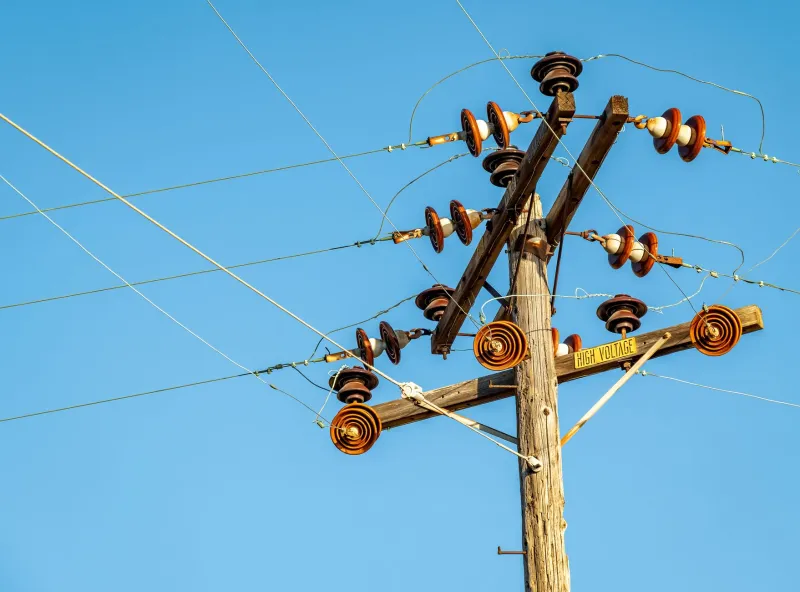
For most of the twentieth century, the relationship between a household and its energy supply was straightforward: the utility generated power at a distant facility, transmitted it across hundreds of miles of wire, and delivered it to the meter on the side of your house. You consumed it. You paid for it. That was the arrangement.
That arrangement is changing with remarkable speed.
A growing ecosystem of small-scale, property-based generation technologies—collectively known as microgeneration—is enabling homeowners to produce meaningful quantities of their own electricity and thermal energy. Some of these technologies are well-established and commercially mature. Others are emerging from the laboratory and entering the early-adopter market. Together, they represent a fundamental shift in how distributed energy is understood, not as a supplement to grid power, but as a legitimate and increasingly economical alternative.
What Microgeneration Actually Means
Microgeneration refers to the small-scale production of heat or electricity from low-carbon sources at or near the point of use. In a residential context, this encompasses any technology that allows a home to generate energy from resources already present on or around the property—sunlight, wind, ground temperature differentials, human movement, or ambient heat.
The concept is not new. Rooftop solar photovoltaic systems have been commercially available for decades, and many American households have already made that investment. What is new is the breadth of complementary technologies now reaching market viability, and the increasing sophistication of systems that allow multiple generation sources to work together on a single property.
Rooftop Wind: A Realistic Option for More Homes Than You Might Expect
Small wind turbines designed for residential rooftops have improved considerably in recent years. Early iterations were plagued by vibration, noise, and disappointing output. Modern vertical-axis turbines—which spin on an upright shaft rather than facing into the wind like a traditional propeller—are quieter, more durable, and capable of generating power at lower wind speeds.
For homeowners in regions with consistent wind resources—coastal areas, the Great Plains, elevated terrain in the Mountain West—a rooftop turbine rated between 1 and 5 kilowatts can meaningfully offset electricity consumption. The American Wind Energy Association estimates that small wind systems can reduce a home's electricity bills by 50 to 90 percent in favorable conditions.
The critical variable is local wind speed. A turbine installed in a sheltered suburban neighborhood with average wind speeds below 10 miles per hour will produce a fraction of what the same unit generates on an exposed coastal bluff. Before considering any wind installation, homeowners should consult wind resource maps published by the National Renewable Energy Laboratory and ideally conduct a site assessment.
Installation costs for residential turbines typically range from $15,000 to $75,000 depending on system size and tower requirements, though federal tax incentives under the Inflation Reduction Act can offset a meaningful portion of that figure.
Piezoelectric Flooring: Promising Science, Measured Expectations
Piezoelectric materials generate a small electrical charge when mechanically stressed—compressed, bent, or vibrated. Researchers and manufacturers have been exploring whether this principle can be deployed in residential flooring to harvest energy from foot traffic and everyday household movement.
The technology is real and functional. Installations in high-traffic commercial environments—airports, transit stations, retail corridors—have demonstrated measurable energy capture. The honest assessment for residential use, however, is that current output levels remain modest. A busy household with active foot traffic might generate enough energy from piezoelectric flooring to power low-draw devices or contribute to a small battery system, but it is unlikely to offset significant grid consumption in the near term.
Piezoelectric flooring is best understood today as a supplementary generation source—most compelling in homes already investing in a broader microgeneration ecosystem—rather than a primary energy solution. The technology continues to improve, and its cost-per-watt is declining. It warrants monitoring, particularly for new construction where installation during the building phase reduces retrofit costs substantially.
Thermal Energy Harvesting: Tapping the Temperature Beneath Your Feet
Ground-source heat pumps are not new, but the broader category of thermal energy harvesting is expanding in interesting directions. The earth below the frost line maintains a relatively stable temperature year-round—typically between 45 and 75 degrees Fahrenheit depending on geographic location. This temperature differential between the ground and the ambient air above it represents a reliable and inexhaustible energy resource.
Beyond conventional geothermal heat pumps, researchers are developing thermoelectric generators capable of converting temperature gradients directly into electrical current. At the residential scale, some of these systems are being integrated with building foundations, buried infrastructure, and even south-facing wall assemblies that absorb solar thermal energy during daylight hours and release it gradually after dark.
For heating and cooling applications, ground-source systems are already among the most efficient options available to American homeowners, delivering three to five units of thermal energy for every unit of electricity consumed. The upfront installation cost—typically $10,000 to $30,000—remains a barrier, but operating cost savings and available incentives have improved the economics considerably in recent years.
Combining Sources: The Multi-Vector Home
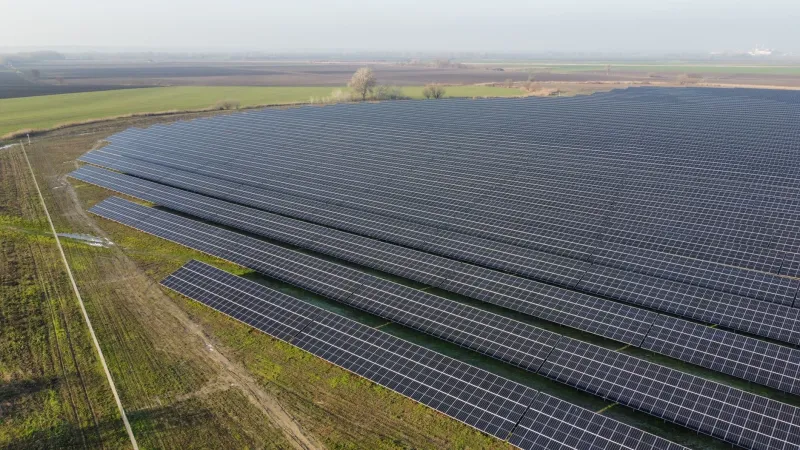
Perhaps the most significant development in residential microgeneration is not any single technology but the integration of multiple generation sources into a coherent home energy system. A property equipped with rooftop solar, a small wind turbine, a ground-source heat pump, and a battery storage system is no longer merely a consumer of grid electricity—it is a distributed energy asset capable of producing, storing, and in many cases selling power back to the utility.
Grid operators and utility companies across the United States are beginning to formalize frameworks for what are sometimes called virtual power plants: aggregations of distributed residential generation and storage assets that can be dispatched collectively to support grid stability. Homeowners participating in these programs can receive compensation for the energy their systems contribute during periods of peak demand.
This evolving relationship between the home and the grid is one of the defining energy trends of this decade. It requires new thinking from regulators, utilities, and consumers alike.
Matching Technology to Climate and Home Type
No single microgeneration solution is universally optimal. The right combination depends heavily on local climate, property characteristics, existing energy consumption patterns, and financial goals.
Homeowners in the Sun Belt—from Southern California across Texas to Florida—typically find solar photovoltaic systems the most compelling starting point, with thermal harvesting as a natural complement. Those in the Upper Midwest and Northern Plains, where wind resources are strong, may find that a solar-wind hybrid system outperforms either technology alone. Coastal homeowners in the Northeast and Pacific Northwest face different trade-offs, with marine wind resources partially compensating for lower solar irradiance.
The most productive first step for any homeowner considering microgeneration is a professional energy audit that evaluates the property's existing consumption, identifies efficiency improvements that should precede any generation investment, and assesses the site's resource profile across solar, wind, and thermal dimensions.
A Changing Relationship with the Grid
The traditional utility model assumed a one-directional flow of energy and value. Microgeneration disrupts that assumption at a fundamental level. As more American homes become capable of generating, storing, and sharing energy, the grid itself must evolve—becoming more flexible, more distributed, and more responsive to the assets connected to it.
For homeowners, this represents both an opportunity and a responsibility. The technologies are increasingly accessible and economically viable. Understanding them clearly, investing thoughtfully, and engaging with the evolving regulatory landscape are the essential steps toward making the most of what the microgeneration revolution has to offer.