The Upgrade Paradox: When Energy-Saving Technology Pushes Your Bills Higher
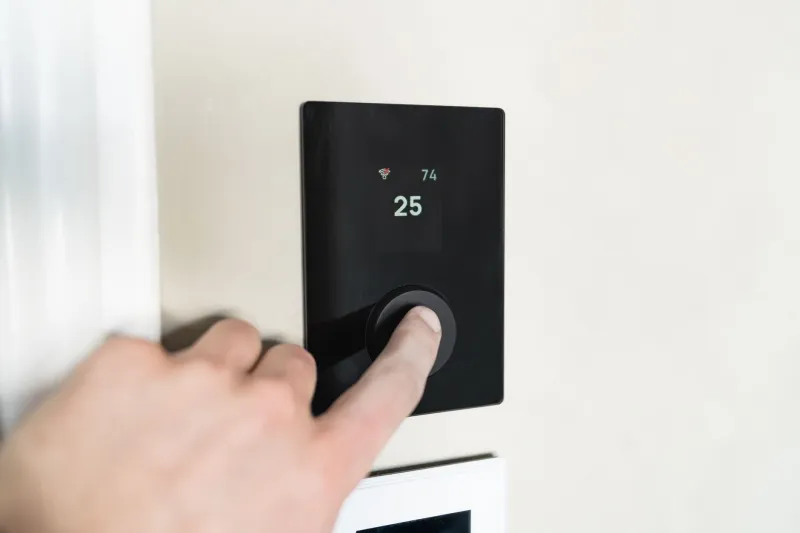
The narrative around home energy upgrades is almost uniformly optimistic. Install a smart thermostat and save up to 23 percent on heating and cooling costs. Seal your attic and watch your bills fall. Replace that aging water heater with a heat pump model and enjoy decades of reduced energy expenditure. These claims are not fabricated—under the right conditions, with the right behavioral context, these technologies deliver meaningful savings.
The qualifying phrase is doing a great deal of work in that sentence.
A growing body of research, combined with the lived experience of homeowners across the country, points to a persistent and underappreciated phenomenon: energy-saving technology, installed without adequate baseline analysis or accompanied by shifts in occupant behavior, can produce consumption increases that negate—and sometimes exceed—the projected savings. Understanding why this happens is not an argument against efficiency investment. It is an argument for doing it correctly.
The Baseline Problem Nobody Talks About
Before any efficiency upgrade can be evaluated honestly, there must be a clear understanding of what the household was consuming before the upgrade, and why. This sounds obvious. In practice, it rarely happens.
Most homeowners who invest in energy improvements do so without commissioning a professional energy audit. They rely instead on manufacturer efficiency ratings, utility rebate marketing materials, or the recommendations of the contractor selling the product. None of these sources are designed to assess whether a particular technology is appropriate for a particular home's existing conditions, usage patterns, and occupant behavior.
Consider a household in suburban Atlanta that installs a programmable smart thermostat after years of manually adjusting a basic unit. The thermostat's efficiency projections assume the household previously maintained a fixed, relatively high heating and cooling setpoint. In reality, this family had developed disciplined habits around manual adjustment—lowering the thermostat before bed, raising it gradually in the morning, tolerating modest temperature variation. The smart thermostat, optimizing for comfort and convenience, maintains tighter temperature control than the family previously maintained manually. The result is higher consumption, not lower.
This is not a hypothetical. Studies examining smart thermostat adoption have consistently found that a meaningful segment of users—estimates range from 15 to 30 percent—experience bill increases following installation, primarily because the device provides more conditioning than the household previously delivered to itself through behavioral discipline.
The Rebound Effect: Comfort Expands to Fill Available Efficiency
Economists have a name for the broader dynamic at work here: the rebound effect, sometimes called the Jevons paradox in its more extreme form. The principle holds that improvements in the efficiency of resource use tend to increase overall consumption of that resource, because efficiency reduces the effective cost of using it.
In residential energy terms, this plays out in recognizable patterns. A homeowner who installs high-performance insulation and air sealing in a previously drafty home may find, over the following winter, that they are heating rooms they previously left cold, running their HVAC system longer to maintain a comfort level they previously considered unattainable, or keeping the house warmer than they did when heating it was expensive and inefficient. The insulation works exactly as advertised. The household's energy use does not fall because the household's behavior has expanded to consume the efficiency gains.
Similar dynamics appear with high-efficiency appliances. A household that replaces an older, inefficient refrigerator with a modern Energy Star model may simultaneously move a secondary beverage refrigerator from the garage—where it was inconvenient—into the kitchen, where it runs continuously. The new refrigerator is more efficient. The household now operates two refrigerators where it previously operated one.
When the Technology Itself Is the Problem
Not every efficiency failure is behavioral. Some technologies interact with existing home systems in ways that produce genuine technical inefficiencies, particularly when installed without a whole-home perspective.
Take the case of a homeowner in Minnesota who invested in a sophisticated air sealing project designed to reduce heat loss through the building envelope. The project was executed competently. What the contractor did not adequately assess was the home's existing combustion appliance ventilation—specifically, a gas water heater and a furnace that relied on natural draft through the building's air infiltration to exhaust combustion gases safely.
With the envelope tightened, those appliances began backdrafting intermittently, drawing exhaust gases back into the living space. The solution required installing mechanical ventilation and upgrading both appliances to sealed-combustion models—costs the homeowner had not anticipated and that substantially extended the project's payback timeline. In the interim, the home's indoor air quality suffered and the family's energy costs rose as the HVAC system struggled to maintain temperature in a building whose ventilation dynamics had been disrupted.
Heat pump water heaters present a different but equally instructive case. These units are genuinely efficient at producing hot water—they can deliver two to three times the thermal energy per kilowatt-hour compared to a standard electric resistance model. However, they accomplish this by extracting heat from the surrounding air. Installed in a conditioned basement or utility room in a cold climate, they pull heat from a space the home's heating system is actively warming. During winter months, the efficiency gains in water heating are partially offset by increased heating load. The net savings are real but substantially lower than the rated efficiency figures suggest.
What Genuine Efficiency Investment Looks Like
None of the above is an argument for abandoning efficiency investment. The technologies in question—smart thermostats, insulation, high-efficiency appliances, heat pumps—are capable of delivering the savings their proponents claim. The conditions required to realize those savings are simply more demanding than the marketing acknowledges.
A professional energy audit, conducted before any significant upgrade, provides the baseline analysis necessary to sequence improvements logically, identify interactions between systems, and set realistic savings expectations. Many utilities offer subsidized or free energy audits as part of their efficiency programs—a resource that remains dramatically underutilized by the customers who would benefit most from it.
Behavioral awareness matters as much as technical execution. Homeowners who understand the rebound effect are better positioned to resist it. Knowing that your new insulation has made heating cheaper per degree does not obligate you to heat your home to 74 degrees when 68 previously sufficed.
Finally, whole-home thinking—treating the building as an integrated system rather than a collection of independent components—is the difference between efficiency improvements that compound and those that cancel each other out.
The promise of the efficient home is real. Delivering on that promise requires more rigor, more honesty about conditions and limitations, and more attention to the human beings living inside the building than the industry typically provides. At Pipps Energy, we encourage our customers to ask hard questions before they invest—because the most sustainable upgrade is one that actually works.